Advocacy Playbook
Common Tactics for Political Advocacy
Legislative Testimony
Difficulty:
Effectiveness:
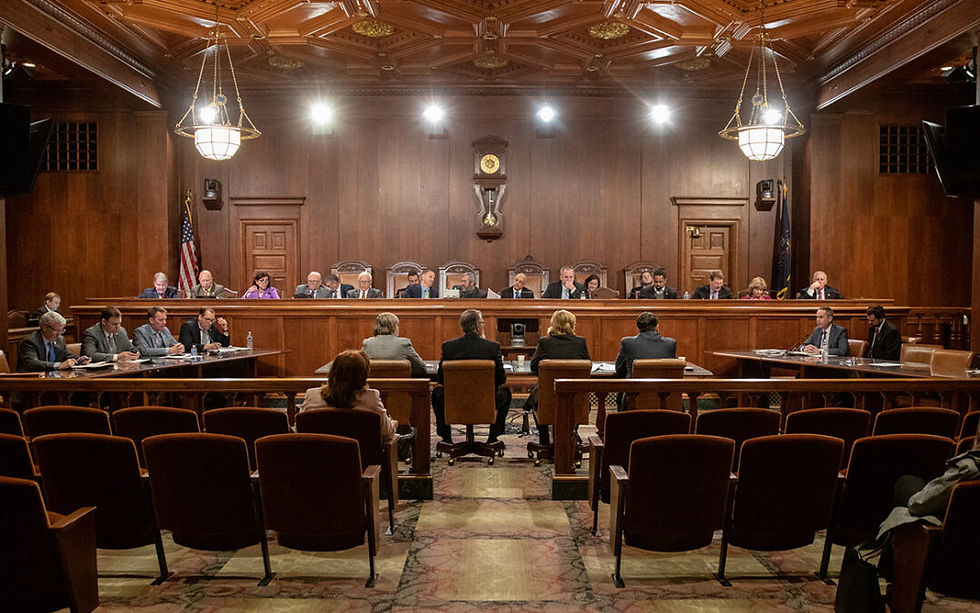
Presented during a legislative hearing and may be delivered orally or submitted in writing. Witnesses, who are typically selected for their subject-matter expertise, provide testimony before a legislative committee and may subsequently respond to questions from committee members. Effective testimony requires thorough preparation and a comprehensive understanding of the issue under consideration. Because participation generally depends on selection by the committee, prospective witnesses must possess sufficient expertise to articulate the significance of their position clearly and advocate persuasively.
Media Advocacy

Difficulty:
Effectiveness:
Enables organizations to communicate information to a broad audience. Effective media outreach requires a clear message tailored to the intended audience and communication channel. Because older audiences are more likely to engage with television and newspapers, press conferences and news articles may be particularly effective for reaching them. Younger audiences are more likely to use mobile applications and social media platforms; therefore, maintaining an active social media presence and publishing concise, engaging content may have greater impact.
Coalition Building

Difficulty:
Effectiveness:
Involves developing and maintaining relationships with organizations and individuals who share common values. By working together, coalition members can draw on one another’s strengths and fill gaps in experience or expertise. Outreach can be broader due to the increased number of individuals involved. Legislators will be more likely to pay attention to a group with strength, and this will wield greater influence when it is time to vote. Consider expanding your outreach beyond people who already support your cause. Research interest groups to partner with and build rapport with leaders in the community.
Campaign Contributions
Difficulty:
Effectiveness: Variable
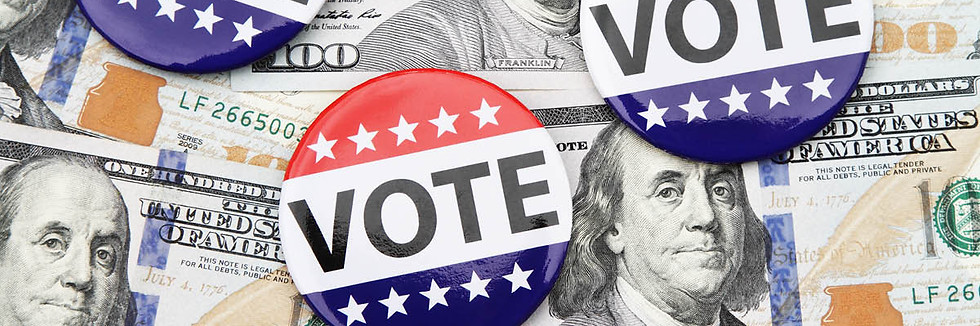
Corporations, unions, individual donors, and grassroots organizations contribute money to shape campaigns and influence legislation. Such contributions may draw attention to constituents’ policy preferences and encourage legislators to consider those priorities when voting. This approach is accessible to a broad segment of the public and can foster a sense of meaningful participation in the political process. Engaging in partnerships with other coalitions, getting legislator or celebrity endorsements, and obtaining large monetary donations can improve your advocacy and campaigning.
Grassroots Mobilization

Difficulty:
Effectiveness:
A locally-organized advocacy strategy that engages community members in collective action to advance a shared policy objective. Typically coordinated by community leaders and carried out by volunteers, these efforts seek to inform the public and build support for the issue under consideration. Common activities include contacting legislators by telephone, organizing protests or rallies, and conducting door-to-door outreach. Grassroots mobilization is advocacy from average citizens who are advocating starting from the “bottom up” and not the “top down” of an organization.
Administrative Comments

Difficulty:
Effectiveness: Underutilized
Formal, written submissions made during the rulemaking process in response to proposed regulatory changes. A substantial volume of public comments may signal the extent of public interest in and support for a particular position. Effective comments should be concise, directly address the proposed rule, incorporate relevant empirical evidence, and present viable alternative solutions. Check the state agency websites for proposed policy changes and when public comment periods may occur. Administrative Comments are reviewed by the subject matter policy experts within the state agency and put into consideration.
How do we advocate for our issues to achieve our political goals if we aren’t part of the PA Legislature?
You need a strategic advocacy plan that will be strong enough to turn your policy recommendations eventually into actual policy.
DEVELOP your Advocacy Strategy
The political landscape is hard to navigate to get your Issue on a Policy Agenda. Therefore, a strategic plan for your advocacy is essential. Follow these recommendations to better prepare your Advocacy Strategy.
To develop an effective Advocacy Strategy, you must identify:
- Your organization’s vision and goal
What would the world look like if your advocacy of an issue resulted in policy reform and change? - Current policy around your issue
Review and familiarize yourself with the current laws, regulations, and policy around your cause and consider what policy reform is needed. - Your budgeting and fundraising needs
You must build your organization through grants and donors, which will improve advocacy efforts. - Who needs to hear your voice for your recommendation to get on the policy agenda?
It’s essential to meet, build rapport, or gain awareness of your issue with Committee Chairs, your State Legislature, or your State Agency Executive Leadership (see our other tabs for more information about the Government’s Office, including State Agency links. These administrative titles are going to be your conduit to ensure your issue hits the Policy Agenda. - The research behind your issue
Review current research to identify areas of need, which helps justify the reason for your cause and advocacy. Research builds credibility and helps you raise awareness. Collect data around your issue and what efforts have been made in the past that either were or were not successful.